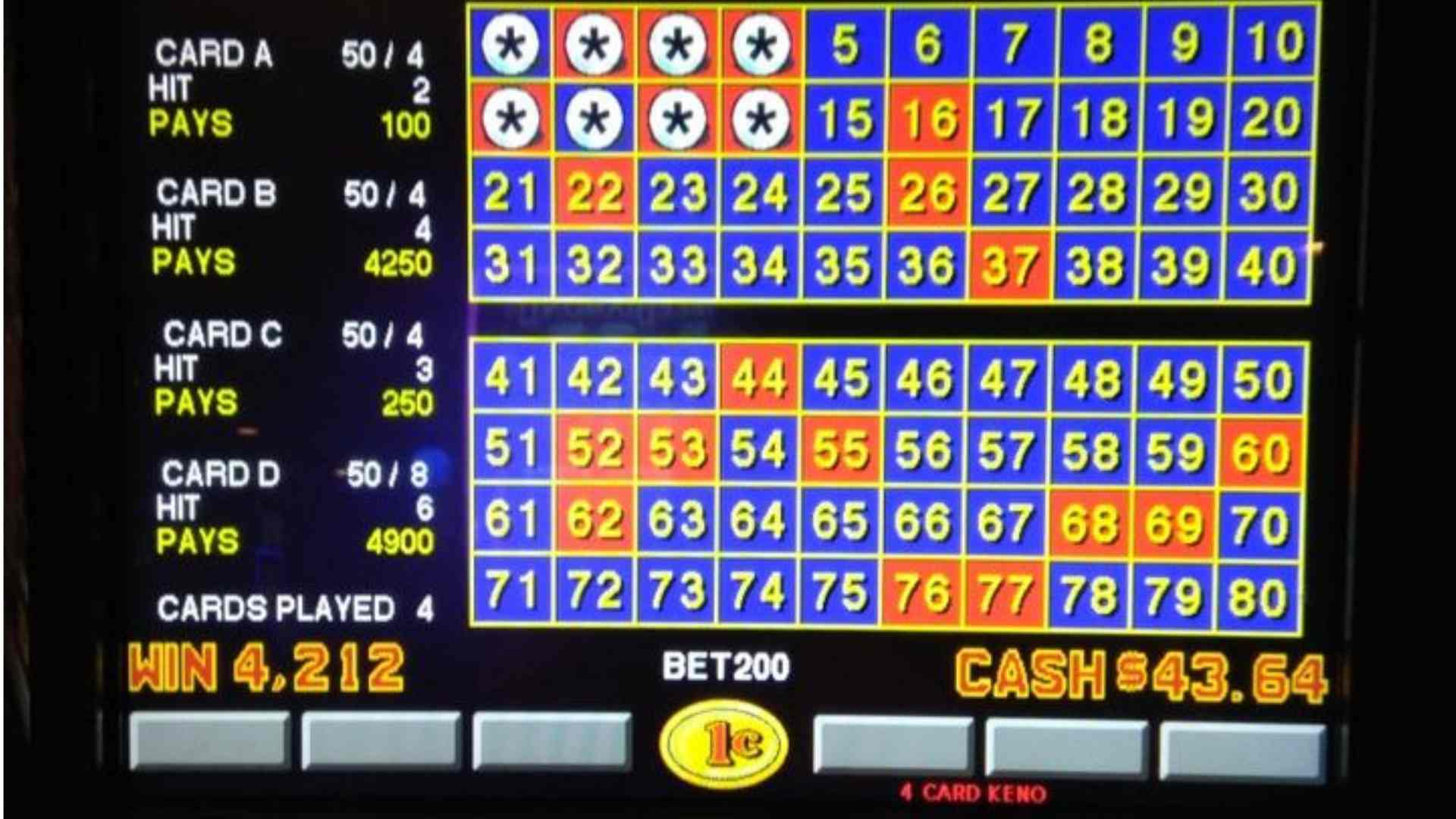
Selecting lottery numbers is a routine that combines personal preference, mathematical randomness, and systematic thinking for millions of players. While every single sequence drawn from a fair machine possesses an identical probability of appearing, understanding how players choose their digits reveals fascinating patterns. Exploring different selection strategies can help participants make more informed choices when filling out their tickets.
The Reality of Mathematical Odds
In every standard draw, each available number carries the exact same mathematical probability of being selected. Random number generators and mechanical ball machines do not possess a memory of past results, meaning previous outcomes never influence future draws. Consequently, no specific combination of digits can offer a higher statistical likelihood of securing the top prize.
Despite these static probabilities, how you pick your sequence can significantly impact the final payout structure if you win. When multiple participants choose identical winning numbers, the jackpot is divided equally among all qualifying ticket holders. Choosing unique or less common number combinations helps ensure you retain a larger share of any potential grand prize.
Personal Dates vs Random Generators
A substantial portion of lottery participants rely on personal milestones, such as birthdays and anniversaries, to select their entry digits. Because calendar dates are capped at 31, this habit heavily concentrates picks in the lower range of available options. As a result, draws featuring higher numbers often yield fewer co-winners.
Alternatively, utilizing automated quick-pick options or digital randomizers guarantees a broader distribution across the entire numerical range. Using platforms like link m88 to stay informed about gaming frameworks emphasizes the value of structured play, where unbiased selection algorithms remain a popular choice. Automated picks naturally reduce the risk of duplicating choices made by other participants.
Analyzing Frequency and Pattern Misconceptions
Many players track historical results to categorize digits into hot, cold, or due categories based on recent appearance rates. While statistical tracking offers an engaging way to construct a ticket, it does not mathematically alter the underlying odds. Every draw resets the baseline probability entirely for all available balls.
Similarly, visually appealing geometric patterns on play slips or simple consecutive sequences like one through six are frequently selected by casual buyers. While these distinct combinations are just as likely to be drawn as any other, winning with them virtually guarantees sharing the prize among dozens of people. Avoiding popular visual shapes on play slips is a practical way to maintain selection uniqueness.
Balancing High and Low Combinations
A balanced selection strategy typically involves spreading choices evenly across the full numerical spectrum permitted by the game rules. Combining odd and even numbers alongside low and high digits creates a diverse set that avoids common human biases. This practical approach reflects true randomness more effectively than clustered manual picks.
Ultimately, treating lottery participation as a form of light entertainment ensures a responsible and enjoyable experience. No mathematical system can guarantee a jackpot, but thoughtful number selection improves your positioning in the event of a win. Enjoying the process while staying within a fixed personal budget remains the best overall approach.